Latest Stories
More


Latest Reviews
More
The iPhone 17e Is Here. At Ksh 77,000, Is It Finally the iPhone for Kenya?

Tecno Camon 50 and 50 Pro Review: Tecno Got a Lot Right — But the Maths Has Some Uncomfortable Questions
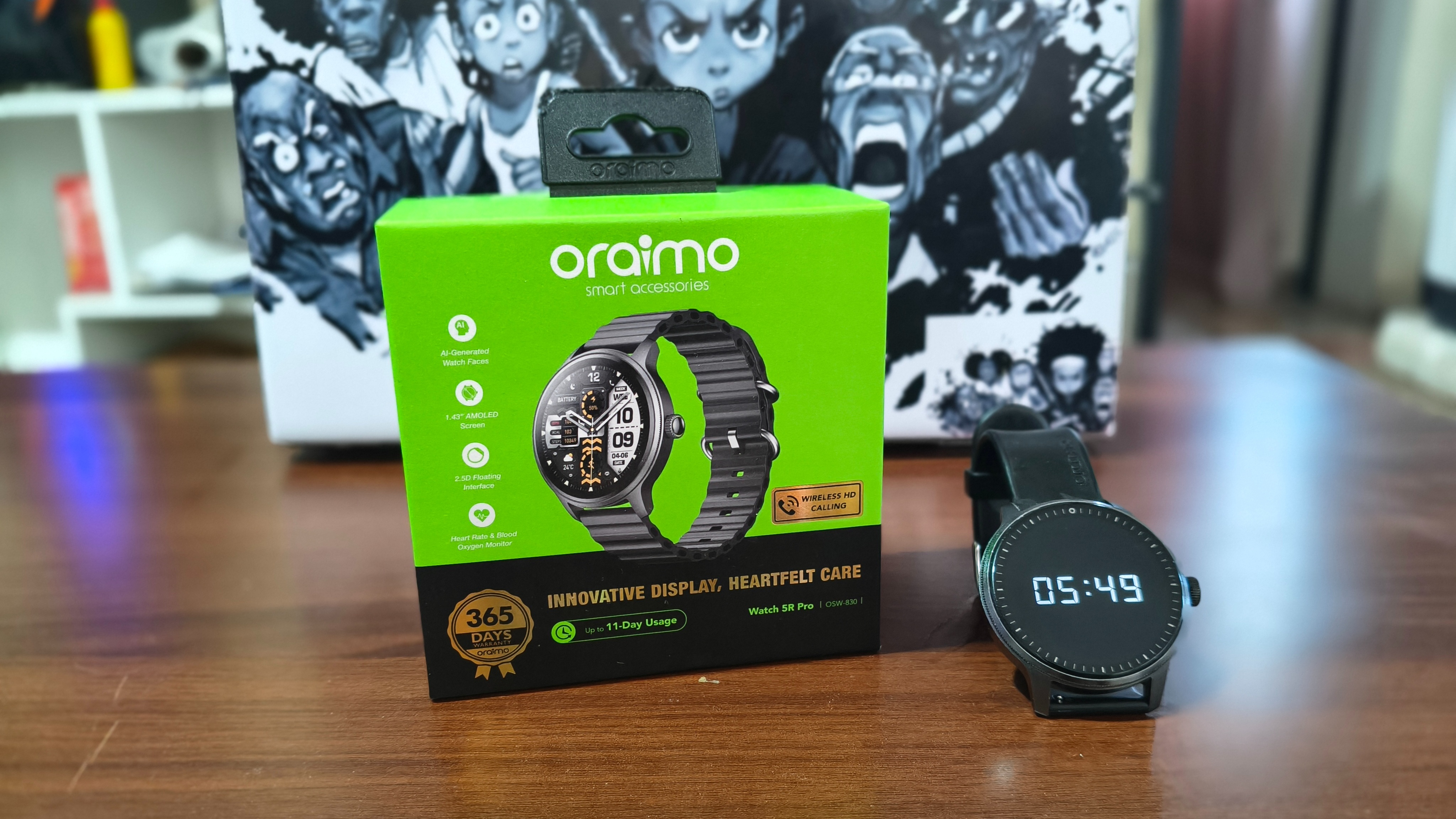
Oraimo Watch 5R Pro Review: 8 Months Later, Here's What Nobody Tells You About Budget Smartwatches in Kenya

Redmi Note 15 Series Review: How Xiaomi Just Made Every Other Mid-Ranger Look Overpriced
Policies
More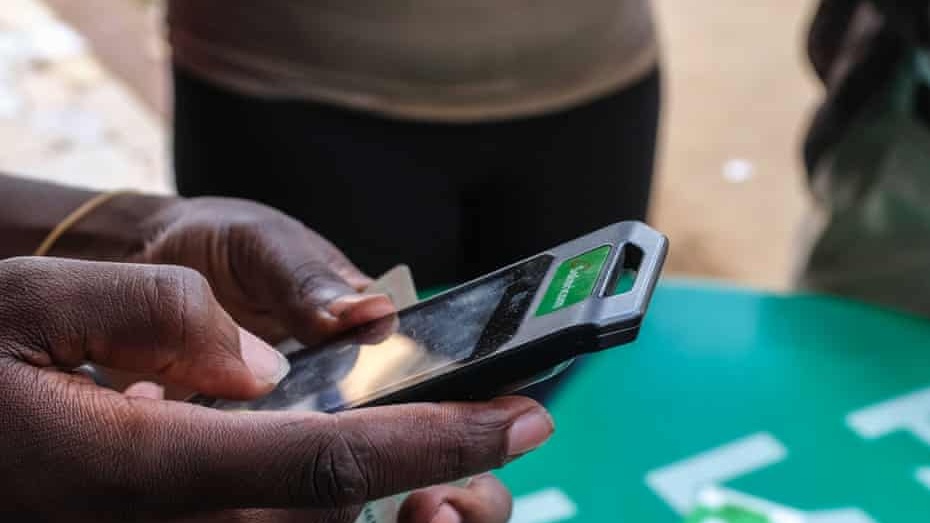
The Double-Edged Sword of Digital Lending: How Mobile Loan Apps Are Making and Breaking Kenya's Small Businesses

Kenya Has the Most Expensive Diesel in East Africa. Here Is Why, and Who Is Responsible.

Kenya's AI Bill Says You Must Be Told When You Are Talking to a Chatbot. Here Is What It Actually Proposes.

Kenya's Data Regulator Has Officially Opened an Investigation Into Meta's Ray-Ban Glasses. Here Is What Happens Next.
How-To Guides
More
Stock Trading in Kenya: A Complete Beginner's Guide to the NSE
I Ran Google's Gemma 4 on a OnePlus Nord CE 5. A Phone Just Solved a University Chemistry Problem.

How to Send Money from Your M-Pesa Business Account to Any Phone Using the Daraja B2C API
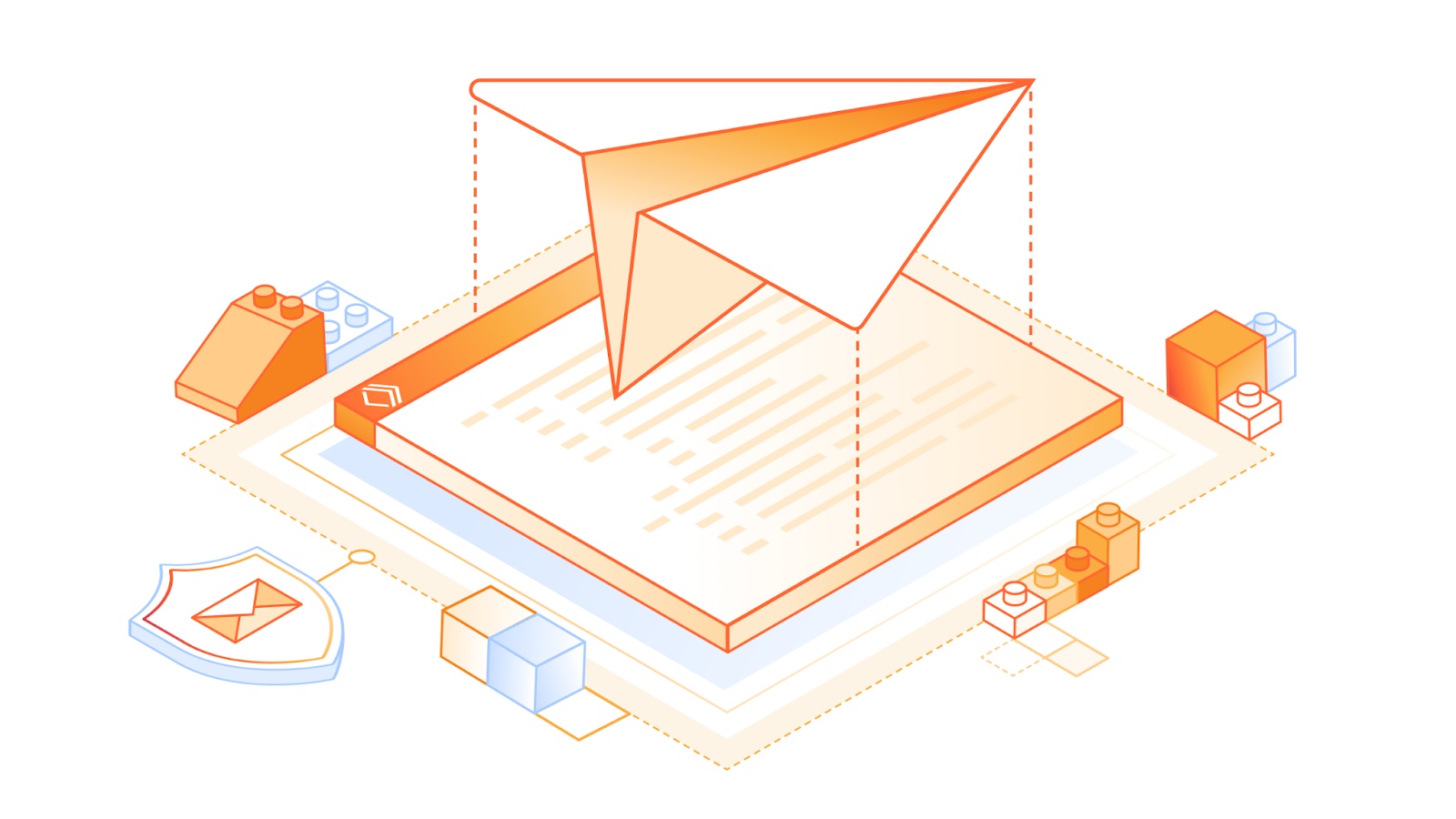
Cloudflare Is Building a Transactional Email Service — And It Could Replace Brevo, Mailgun, and Postmark

How to Register a Limited Company in Kenya in 2026 (Step-by-Step eCitizen Guide)
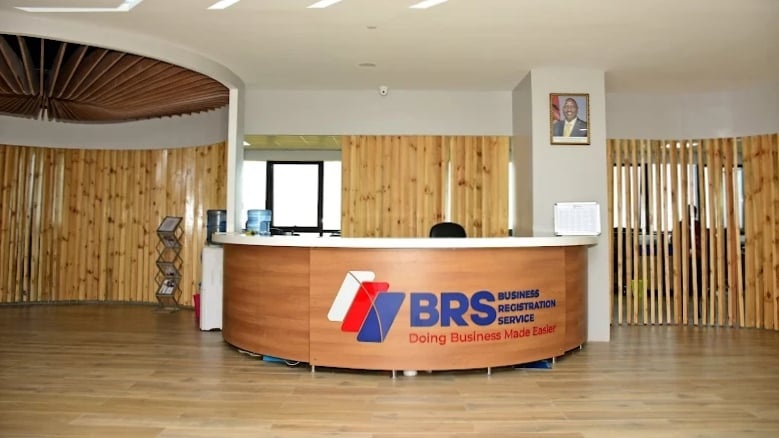
How to Register a Sole Proprietorship in Kenya in 2026 (Step-by-Step eCitizen Guide)

How to Integrate M-Pesa C2B Payments With Daraja 3.0 (Node.js Guide)

How to Integrate M-Pesa STK Push Using Daraja 3.0 — A Complete Guide for Kenyan Developers
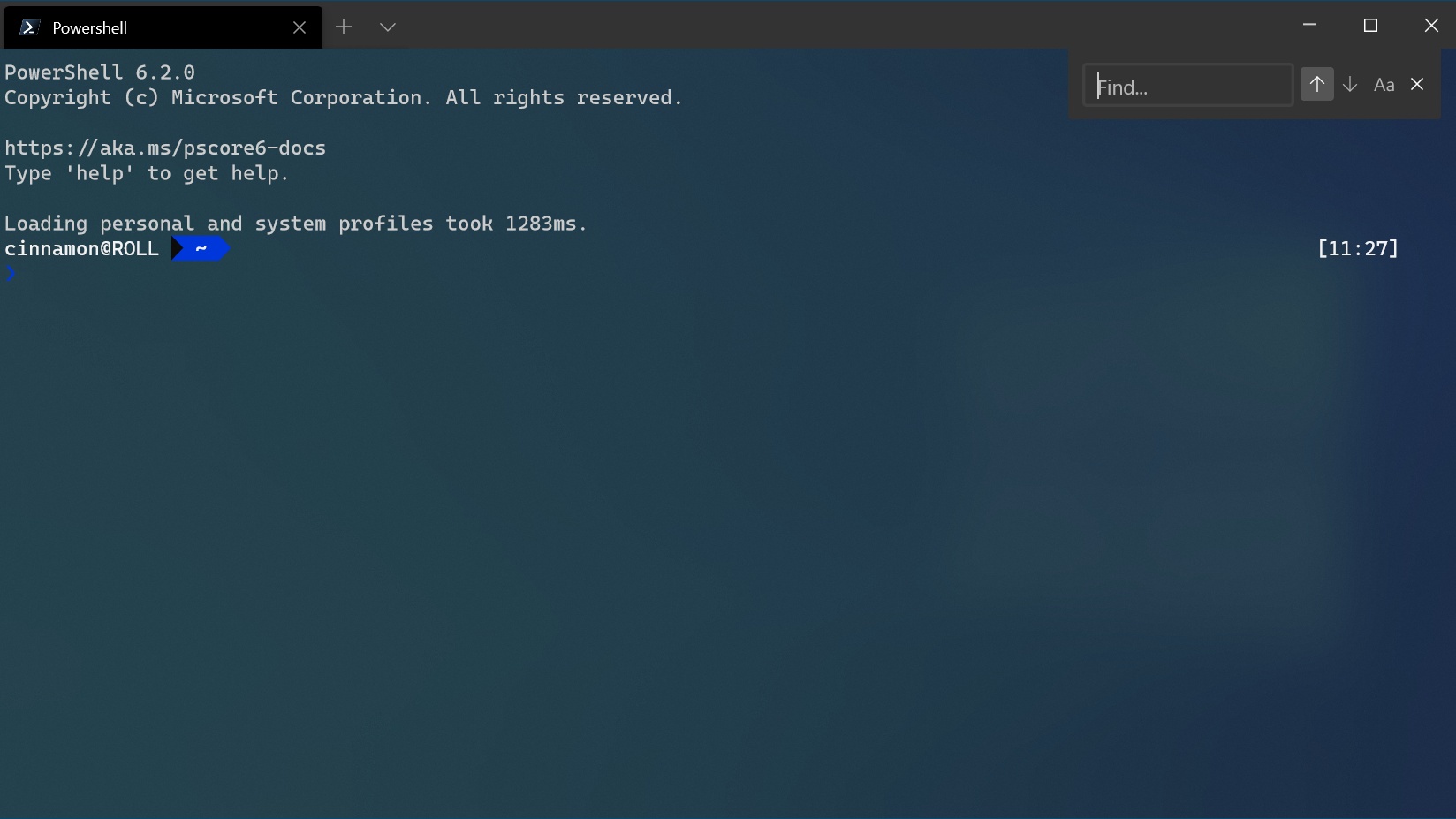
How to Set Up a Web Development Environment in Kenya (2026 Edition)

The Kenyan Student and Office Worker's Laptop Buying Guide (2026 Edition)
Business
MoreThe Double-Edged Sword of Digital Lending: How Mobile Loan Apps Are Making and Breaking Kenya's Small Businesses
Kenya Has the Most Expensive Diesel in East Africa. Here Is Why, and Who Is Responsible.
The Airtel Rebellion: How Kenya's Underdog Is Attacking Safaricom Where It Hurts Most
Can TrashBot Solve the Nairobi Waste Crisis — Without Destroying the Economy Built Around It?
Cybersecurity
More
Anyone Can Now Strip AI Safety Features in Under 10 Minutes. Here's Why That's a Big Problem.
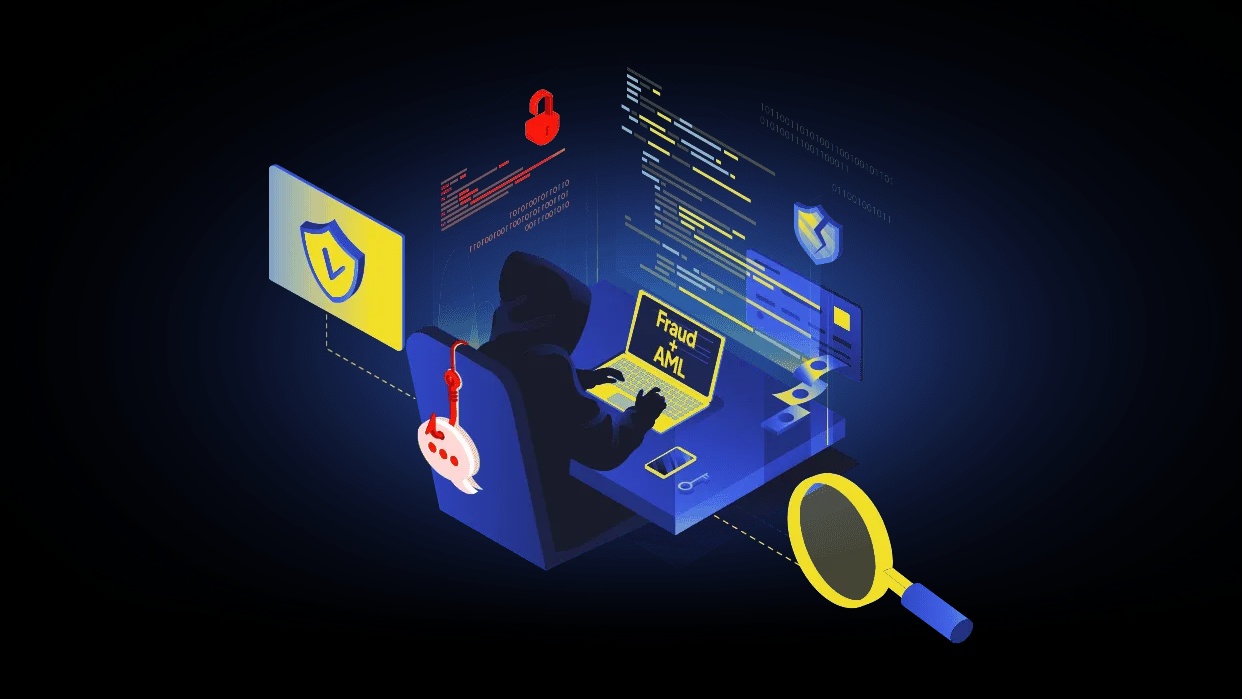
AI Scams Are Now Kenya's Biggest Digital Payment Threat, Visa Report Warns

Vibe Coding Is Not the Problem. Deploying Without Understanding Is.
Your Portfolio Just Got a Side Quest: The Vercel Breach and the Year 2026 Broke the Internet

The Myth of Mythos: Why Anthropic Is Selling You Fear Before They Sell You Shares

Client-Side vs Server-Side Paywalls: Why Some of the World's Biggest Media Companies Are Trusting the Browser With Their Revenue
Smartphones
More
OnePlus May Be Quietly Exiting Global Markets as Early as April. What That Means for Kenyan Fans.
MWC 2026 Is Over. Here Is Everything That Actually Matters for Kenyan Buyers.

Samsung Finally Solved the Shoulder-Surfing Problem, And Every Kenyan Doing Mobile Banking in Public Should Pay Attention
Tecno Camon 50 and 50 Pro Review: Tecno Got a Lot Right — But the Maths Has Some Uncomfortable Questions
AI
MoreGoogle Fights Back: Everything That Has Changed With Gemini's Compute-Based Usage Limits
Google's Gemini just had one of its most turbulent weeks in recent memory. What started as a quiet but significant policy shift at Google I/O 2026 quickly escalated into a full-blown revolt from paying subscribers, forcing the company to respond with a rapid series of fixes, clarifications, and concessions
Anyone Can Now Strip AI Safety Features in Under 10 Minutes. Here's Why That's a Big Problem.
A new investigation reveals that tools freely available on the internet can dismantle the safety controls built into powerful open-source AI models in minutes, with no technical expertise required.
AI Scams Are Now Kenya's Biggest Digital Payment Threat, Visa Report Warns
A newly released global report from Visa has officially named AI-powered fraud and social engineering as the single largest threat facing digital payments. For Kenya, one of Africa's most digitally advanced economies, the warning could not be more urgent.
Cloudflare
MoreCloudflare Is Building a Transactional Email Service — And It Could Replace Brevo, Mailgun, and Postmark
If you have ever set up transactional email for a web application, you know the ritual. Pick a provider — Mailgun, Postmark, SendGrid, Brevo. Create an account. Verify your domain by adding SPF, DKIM, and DMARC records one by one. Wait for DNS propagation. Submit your sending domain for review. Wait again. Hope your first emails do not land in spam while your sender reputation is building. Pay a monthly fee that scales uncomfortably with your user base.

Cloudflare Just Built a Next.js Replacement in One Week With AI — And It Could Free Thousands of Developers From Vercel's Bills
For small projects and side hustles, Vercel's free tier is generous enough. But the moment your application gets real traffic, needs proper team collaboration, or requires advanced features like ISR caching and edge functions at scale, the bills climb fast. Vercel's Pro plan starts at $20 per month per team member. Enterprise pricing is custom, meaning expensive. And because Next.js was built by Vercel, deploying it anywhere else has always involved a painful compatibility dance with tools like OpenNext that require constant maintenance as Next.js versions change.

Cloudflare Just Made R2 Significantly Faster for African Developers — Here Is What Changed and Why It Matters
If you are a Kenyan or African developer building on Cloudflare R2, there is a feature that quietly launched in open beta earlier this month that you should enable on your buckets right now. It is called Local Uploads, it costs nothing extra, and depending on where your users are relative to your bucket, it could cut your upload latency by up to 75%.
Safaricom
More
Safaricom Hits KSh 100 Billion Net Income in FY2026, But a Landmark Court Ruling Clouds the Celebration
How to Send Money from Your M-Pesa Business Account to Any Phone Using the Daraja B2C API

Parliament Has Approved the Partial Sale of Safaricom to Vodacom. Here Is What It Actually Means for You.