 By
By 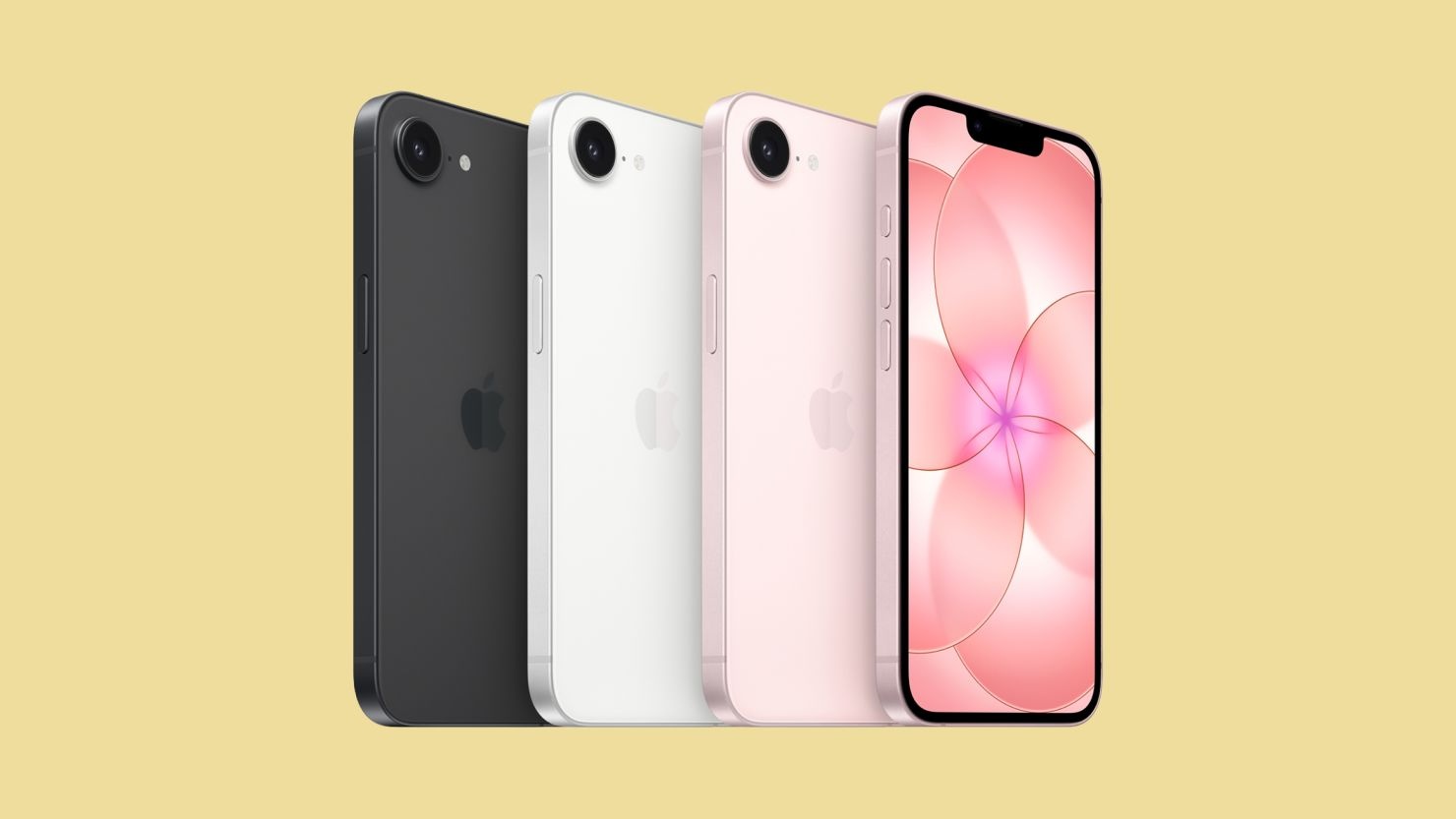
Apple announced the iPhone 17e today, and for the first time in a long time, an iPhone announcement feels worth paying attention to if you are not already deep in the Apple ecosystem. Starting at $599 (roughly Ksh 77,000 at current exchange rates) it is the most affordable new iPhone Apple sells, and this year it is actually a compelling phone rather than a cost-cut compromise.
Pre-orders open tomorrow, March 4. It ships globally on March 11. Here is everything you need to know, and the honest answer to whether it makes sense for buyers in Kenya.
What Apple Actually Announced
The iPhone 17e is Apple's budget tier, the "e" stands for "essential," not entry-level in a disparaging sense. Apple's positioning is deliberate: this is the phone for someone who wants a genuine iPhone experience without paying flagship prices.
This year's model is a meaningful step up from the iPhone 16e it replaces. The headline upgrades are:
A19 chip, the same processor generation as the standard iPhone 17. Apple uses a binned version here with one fewer GPU core (4-core vs 5-core), but the CPU and Neural Engine are identical. In practical terms, this phone is fast (up to 2x faster than the iPhone 11 on CPU tasks ) and it runs the full suite of Apple Intelligence features that require on-device AI processing. No artificial software limits based on pricing tier.
256GB base storage, double what the iPhone 16e started with, at the same $599 price. This is the upgrade that matters most day-to-day. 128GB fills up fast with 4K video and high-resolution photos. 256GB gives you real breathing room.
MagSafe, finally. The iPhone 16e launched without MagSafe, which frustrated buyers of accessories and faster wireless chargers. The 17e adds the magnetic ring, supporting 15W Qi-based wireless charging. It does not support the faster 25W MagSafe speeds of the flagship iPhone 17, but it is fully compatible with the MagSafe accessory ecosystem.
C1X modem, Apple's second-generation in-house cellular chip, promising up to 2x faster cellular speeds than the previous model and 30% better energy efficiency. In Kenya's mixed 4G/5G environment this matters for call quality and data reliability.
48MP Fusion camera, upgraded from the 12MP shooter on the iPhone 16e. The new system supports optical 2x telephoto through sensor cropping and improved portrait imaging. You are not getting the dual-camera setup of the standard iPhone 17, but the gap between this and the flagship camera has narrowed considerably.
Ceramic Shield 2 display, Apple claims this is the most durable smartphone glass available. The 6.1-inch Super Retina XDR OLED display peaks at 1,200 nits (bright enough for outdoor use in Nairobi's sun) though it falls short of the 3,000 nits peak on the iPhone 17 Pro.
IP68 water resistance, rated for 6 metres for up to 30 minutes. This matches the standard iPhone 17's water resistance rating. On a phone at this price, that is genuinely impressive protection.
Battery, 26 hours of video playback, essentially unchanged from the iPhone 16e. Real-world heavy use should comfortably get you through a full day. USB-C fast charging gets you to 50% in 30 minutes with a 20W or higher adapter.
What You Are Not Getting
The iPhone 17e is not the standard iPhone 17. The compromises are real and worth knowing upfront.
No Dynamic Island. The 17e still uses the older notch design from the iPhone 14 generation, the pill-shaped cutout at the top of the display. Dynamic Island, which Apple uses for live activity notifications and interactive alerts, is exclusive to the iPhone 17 and above. If you have used a newer iPhone and gotten used to Dynamic Island, going back to a notch will feel like a step backwards.
60Hz display. The standard iPhone 17 has a 60Hz display, and so does the 17e. ProMotion 120Hz is still exclusive to the Pro models. For everyday scrolling and social media use you will not notice. For gaming and fast-moving content, the difference is visible.
Single rear camera. One lens, no ultra-wide. If you regularly shoot wide environmental shots ( events, landscapes, architecture ) the lack of an ultra-wide will frustrate you. The 2x telephoto through sensor cropping is functional but not the same as a dedicated telephoto lens.
No Face ID side-mounted button shortcut. The Action button is present, but the front camera system uses Face ID without the added functionality of the latest front camera array on the standard iPhone 17.
The Kenya Calculation
At Ksh 77,000, the iPhone 17e sits in a price band that Kenya's market has historically treated as the Android flagship zone. For context, the Samsung Galaxy S26 starts at around Ksh 115,000 and the S26 Ultra at Ksh 167,000. The Ksh 77,000 price point puts the 17e directly against phones like the Samsung Galaxy A56, OnePlus 13R, and the upper tier of Tecno's Phantom series.
Against Android phones at this price, the iPhone 17e wins on software longevity. Apple commits to seven years of iOS updates for current iPhones. At Ksh 77,000 for an Android phone, you are typically looking at three to four years of updates at best. For someone buying a phone they plan to keep for five or six years (which many Kenyan buyers do given the price ) the iPhone 17e's update lifespan is a genuine differentiator.
The iMessage and FaceTime argument is less relevant in Kenya than in markets where those services dominate. WhatsApp runs equally well on Android and iPhone, and M-Pesa works across both platforms. The practical daily experience for a Kenyan user switching from Android to iPhone is not dramatically different from what they currently have.
Where iPhone genuinely stands out in the Kenyan context is resale value. iPhones retain value exceptionally well in Kenya's used phone market. A two-year-old iPhone sells for meaningfully more than a two-year-old Android at the same original price point. If you buy and sell phones every two to three years, the total cost of ownership gap between iPhone and a similarly priced Android is smaller than the sticker price suggests.
The honest summary: at Ksh 77,000, the iPhone 17e is the right iPhone for Kenya if you want iPhone specifically — the ecosystem, the update longevity, the resale value. If your priority is maximum hardware for the money and you do not have a preference for iOS, a flagship Android at a similar price gets you a better camera system, a higher refresh rate display, and often more RAM. The iPhone 17e is excellent. It is not the obvious choice for everyone.
How It Compares to Apple's Own Lineup
One question worth answering clearly: should you stretch to the standard iPhone 17 at $799 (approximately Ksh 103,000)?
Unless you specifically want dual cameras or Dynamic Island, no. The A19 chip performance is essentially identical. The storage starts at the same 256GB. Battery life is similar. You are paying Ksh 26,000 more primarily for the second camera lens, the Dynamic Island, and a brighter display. If those features matter to you, the upgrade is justified. For most buyers upgrading from an older iPhone or switching from Android, the 17e delivers 90% of the iPhone 17 experience at a meaningfully lower price.
The iPhone Air at $999 and the Pro models starting at $1,099 are different conversations entirely, they are for buyers who specifically want the thinnest design or the most capable camera system, and the price reflects that.
Should You Buy It?
Buy it if: You are upgrading from an iPhone 12 or older, you have been waiting for a compelling entry point into the current iPhone generation, or you specifically value Apple's software ecosystem and seven-year update commitment.
Wait if: You are already on an iPhone 15 or iPhone 16, the upgrade is not substantial enough to justify the cost. Or if you want the full MagSafe fast-charging experience, the 17e's 15W ceiling is functional but not the fastest.
Skip it if: Camera versatility is your top priority. The single-lens system is capable but the lack of an ultra-wide is a real limitation for anyone who shoots a variety of content.
Pre-orders open tomorrow. The phone ships March 11. Expect it at authorised Apple resellers in Kenya ( iStore, Safaricom shops, and major electronics retailers) in the Ksh 77,000 to Ksh 82,000 range depending on storage and import margins.
Comments