 By
By 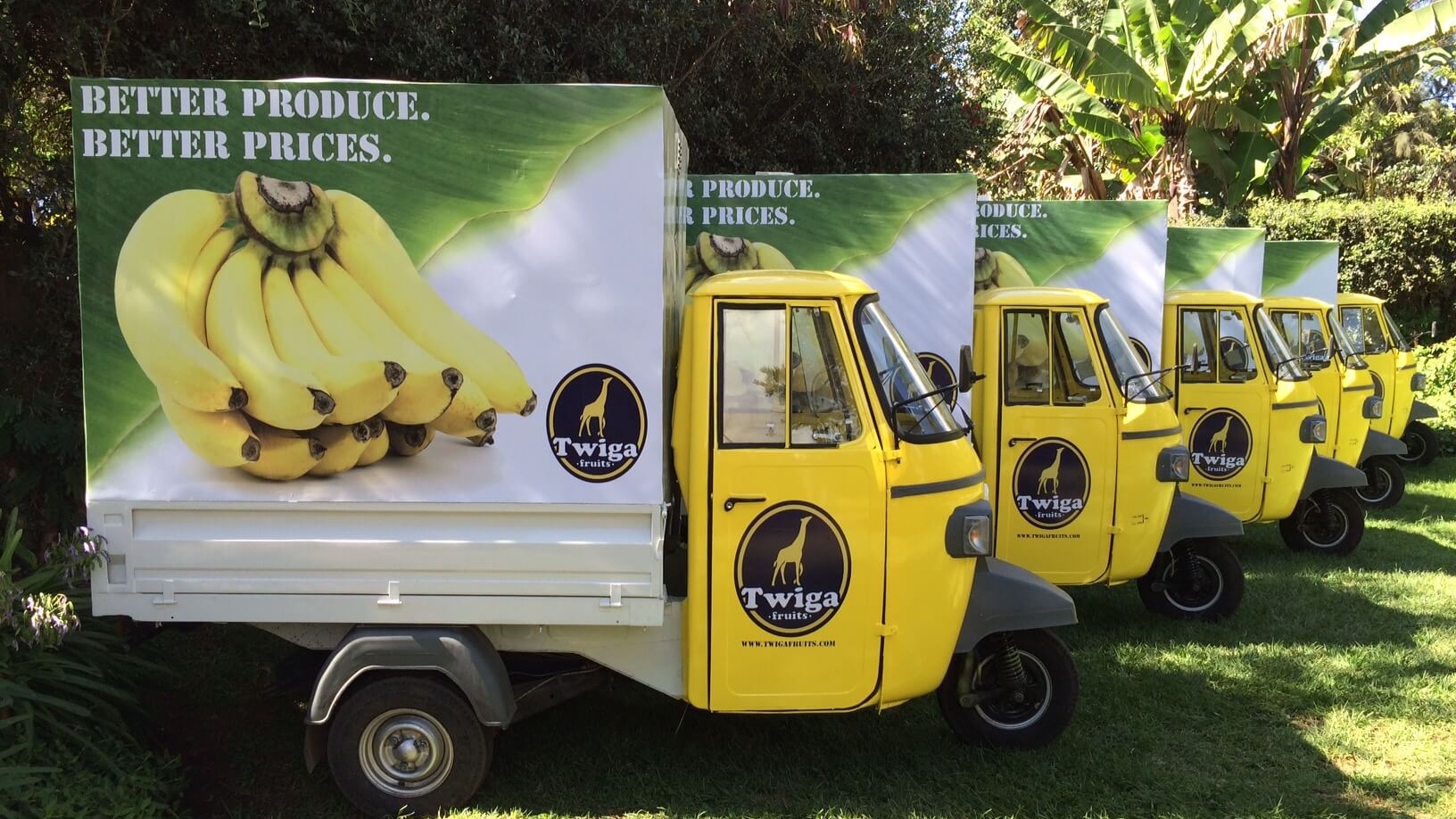
GT Flow Limited, the operating entity formerly known as Twiga Foods One Limited, has been placed under statutory administration in Kenya, marking one of the most significant collapses in East Africa's venture-backed technology sector. According to a gazette notice published in the Kenya Gazette on September 11, 2026, the administration order took effect on August 17, 2026, under Section 541(2) of Kenya's Insolvency Act. Insolvency practitioner Mohamed Mohamed was appointed administrator, a move initiated by GT Flow's own board of directors rather than by court order or creditor petition.
The filing effectively suspends the powers of GT Flow's directors to deal with company assets without the administrator's authorization. Mohamed now holds full management control over the company's business, assets, and daily affairs, without incurring personal liability for decisions taken during the process. Creditors and suppliers have been given a 30-day window from the date of publication, running until October 11, 2026, to submit formal particulars of their claims to the administrator's office in Nairobi.
The development is a dramatic turn for a company once held up as a flagship example of technology-driven agricultural distribution in East Africa. Twiga Foods, founded in 2014 by Peter Njonjo and Grant Brooke, built its reputation on cutting out middlemen in Kenya's fresh produce supply chain, sourcing directly from farmers and delivering to small retailers through a mobile ordering platform. Since its founding, the company raised approximately $185.4 million in disclosed equity and debt funding, backed by investors including Creadev, Juven, IFC, TLcom Capital, Goldman Sachs, AHL Venture Partners, and Omidyar Network.
What Statutory Administration Means for GT Flow
Statutory administration under Kenya's Insolvency Act is a rescue-oriented insolvency process distinct from liquidation. Once a company enters administration, its directors step aside from asset-related decision-making and creditors are temporarily barred from pursuing individual enforcement action, such as lawsuits or asset seizures, against the company. The administrator's mandate is to assess whether the business, or parts of it, can be rescued, restructured, sold as a going concern, or ultimately wound down if no viable path exists.
Because GT Flow's board initiated the filing itself under Section 541(2), the process did not require a court petition, a route available to directors who conclude the company can no longer meet its obligations as they fall due. Unlike a creditor-driven liquidation petition, this allows the company more control over the framing of its own restructuring, though it does not guarantee survival. The gazette notice does not disclose the scale of GT Flow's liabilities or identify its creditors, and it remains unclear which specific assets and obligations across Twiga's broader corporate structure fall within the scope of this particular administration.
A Business Built on Heavy Infrastructure in a Thin-Margin Market
Twiga's core difficulty traced back to a structural mismatch between its cost base and its margins. The company built and operated extensive physical infrastructure, including warehouses, a delivery fleet, and a large fulfillment hub at the Tatu City Special Economic Zone, while competing in the low-margin business of fresh produce and FMCG distribution to informal retailers. At its peak, the platform served roughly 140,000 informal outlets, including neighborhood kiosks and market stalls, across a dozen Kenyan cities as well as Kampala, Uganda, handling up to 12,000 deliveries daily.
That scale came at a cost. The capital-intensive model required continuous cash injections to sustain warehousing, cold-chain logistics, and last-mile delivery, even as unit economics in fresh produce distribution remained thin. By 2023, Twiga was already cutting staff and facing supplier disputes, including litigation with cloud services provider Incentro over unpaid invoices, a dispute in which Twiga contested the amount owed.
The Njonjo Bond and a Change in Leadership
In December 2023, co-founder and then-CEO Peter Njonjo closed a $35 million convertible bond round backed by existing investors Creadev and Juven, intended to help the company settle outstanding obligations to vendors and stabilize its finances. Njonjo personally contributed $1 million to the round. Two weeks after the bond closed, he announced a six-month sabbatical, a move reported at the time was widely interpreted within Kenya's technology investment community as investors effectively taking control of the company's strategic direction.
Njonjo formally stepped down from Twiga's board in early 2024, stating in a resignation letter that "the strategic direction and daily operations are now firmly in the hands of Juven and Creadev." Charles Ballard, a former Jumia executive, took over as chief executive on May 1, 2024, and the company proceeded with further rounds of layoffs, including cutting dozens more roles later that year.
The Pivot to an Asset-Light Model
Under Ballard, Twiga attempted to restructure its cost base by shifting toward what the company described as an asset-light distribution model. In 2025, through its Kimo Kali Holdings Limited subsidiary, Twiga acquired stakes in three regional FMCG distributors: Jumra in Nairobi, Sojpar in Kisumu, and Raisons in Mombasa. The acquisitions were intended to diversify the group's distribution reach while reducing reliance on Twiga's own costly warehousing and fleet operations, integrating the acquired distributors' existing networks and customer relationships into the wider group.
The pivot did not resolve the underlying financial pressure. In June 2025, Twiga temporarily suspended its Nairobi operations to execute a logistics overhaul, exploring alternative distribution sites, including Baba Dogo, Mombasa Road, and Syokimau, as it looked to move away from the Tatu City facility. Operations resumed the following August, but legacy debts tied to the original infrastructure-heavy model continued to weigh on the group.
Parallel Legal Trouble at Twiga Tatu SEZ
GT Flow's administration is not the only insolvency-related matter facing the wider Twiga corporate structure. In January 2026, a creditor filed a petition at Kenya's High Court seeking the liquidation of Twiga Tatu SEZ Limited, the entity that holds the Tatu City logistics hub, over unpaid debts. That petition, which came up for mention in June 2026, follows a separate legal track from GT Flow's administration under the Insolvency Act. If the liquidation petition succeeds, a court-appointed liquidator would take control of Twiga Tatu SEZ's assets, sell them, and distribute proceeds to verified creditors, a more terminal outcome than the rescue-oriented administration process now underway at GT Flow.
What Comes Next
With administration now in effect, Mohamed Mohamed's immediate task is to take stock of GT Flow's assets and liabilities, verify the claims submitted by creditors before the October 11 deadline, and determine whether a viable restructuring or sale is achievable. The process offers GT Flow a temporary shield from creditor enforcement while that assessment takes place, but it carries no guarantee of survival. Neither the gazette notice nor the company has disclosed the scale of GT Flow's debts, and it remains unclear whether the three FMCG distributors acquired in 2025, or other subsidiaries within the Twiga ecosystem, fall within the scope of the administration or will continue operating independently of it.
For a company once cited as a model of technology-enabled agricultural distribution in East Africa, the administration filing formalizes a decline that had been building since at least late 2023, through repeated rounds of layoffs, leadership turnover, a strategic pivot toward asset-light distribution, and now a formal insolvency process for its core operating entity.
Comments