 By
By 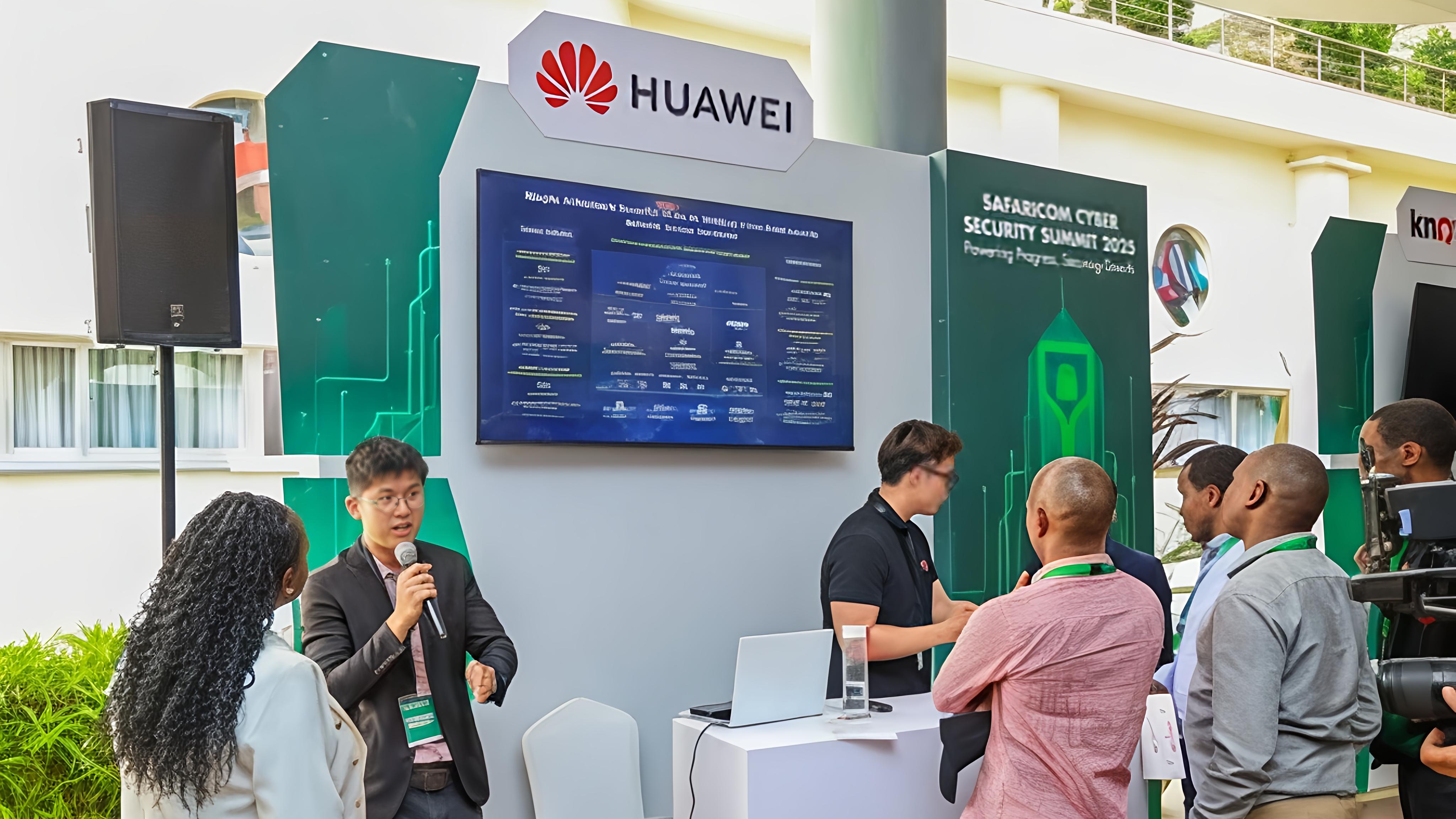
Yesterday, December 19, 2025, Safaricom and Huawei officially launched a new low-cost internet program at the Mukuru Estate Phase II in Nairobi. While the "KSh 800 per month" price tag is grabbing headlines, the technical reality behind it—and the limitations—are where the real story lies for Kenyan tech enthusiasts.
The Technical Backbone: Huawei’s DQ ODN
Safaricom isn't just cutting prices; they are using a new type of infrastructure. This project utilizes Huawei’s Digital Quick Optical Distribution Network (DQ ODN).
The "Plug-and-Play" Factor: Unlike traditional fiber that requires complex "splicing" (melting glass cables together), this tech uses pre-connected components.
The Result: It’s faster to deploy and significantly cheaper to maintain. This cost-saving is what allows Safaricom to drop the price from the standard KSh 2,999 "Bronze" plan to just KSh 800.
When Can You Get It?
Current Status: Live at Mukuru Estate Phase II.
The Rollout: It is strictly tied to the Government’s Affordable Housing Program (AHP). If you live in a private apartment in Roysambu or a hostel in Madaraka, you cannot access this yet.
The "Sachet" Launch: Starting January 2026, Safaricom will introduce daily, weekly, and even hourly Wi-Fi "sachets" for these residents, moving away from the rigid monthly subscription model.
The Pros: Why It’s a Win
Price Leadership: At 800/- a month, Safaricom is effectively undercutting local "mwaura" Wi-Fi providers and making Starlink look like a luxury for the elite.
Fiber Stability: Unlike 4G bundles that crawl when everyone in a high-density area like Mukuru logs on at 7 PM, this is a fixed fiber line. It offers a "cleaner," more stable ping for students and remote workers.
Path to the Digital Economy: It’s designed for e-citizen services, remote learning, and small-scale online businesses (like transcription or digital marketing) that were previously too expensive to run on mobile data.
The "Gotchas": What They Didn't Put in the Headline
The Geographic Lockdown: This isn't a SIM card offer. It is fixed to the house. If you leave your apartment to go to work in CBD or run errands in Eastleigh, your 800/- internet stays at home. You’ll still need to buy expensive mobile bundles for the road.
The "Idle Time" Dilemma: Most residents in these estates are "hustlers" who leave early and come home late. If you are only home for 3-4 hours before bed, you are essentially paying for 20 hours of "dead" internet. The upcoming January 2026 hourly tokens might actually be a better deal for many.
Speed Caps: While not officially detailed, don't expect 100Mbps. This tier is likely capped at 5Mbps to 10Mbps. It’s enough for YouTube and WhatsApp, but heavy downloads or 4K streaming will be a struggle.
Device Limitation: Because it's a fixed router, you can't "carry it with you" like a MiFi or a phone hotspot. It benefits the family unit at home, but not the individual on the move.
Conclusion: A Step in the Right Direction
The Safaricom-Huawei partnership is a clear sign that the telco is finally feeling the heat from "sachet" Wi-Fi competitors and satellite providers. While the KSh 800 plan is currently a "walled garden" for Affordable Housing residents, it sets a precedent.
For the rest of us, the real test will be whether Safaricom scales this tech to other low-income urban areas or if it remains a "special project" for government-linked housing.
Comments