 By
By 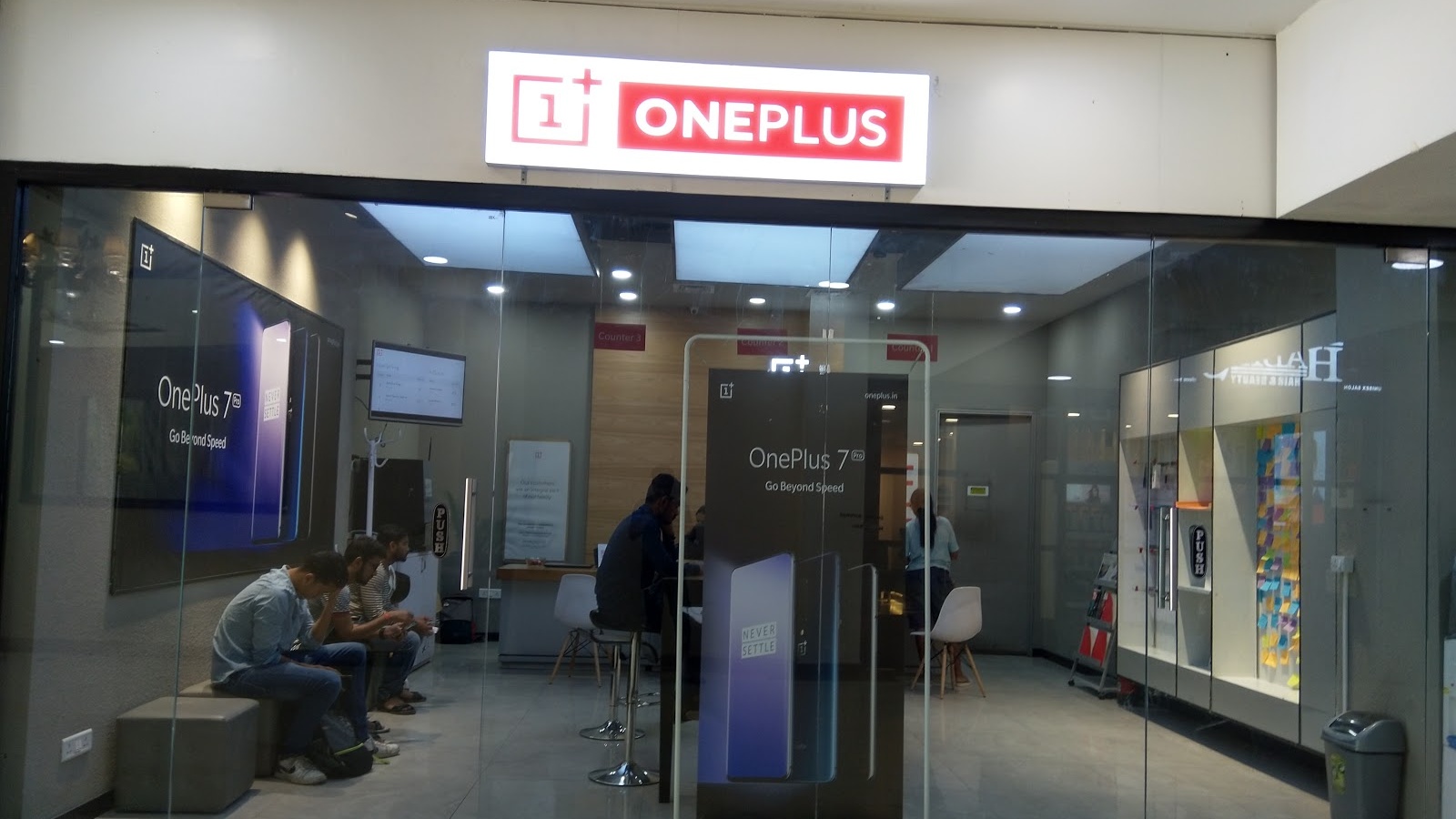
OnePlus is offering owners of eligible devices an optional upgrade from OxygenOS to ColorOS, the interface built by its parent company OPPO. The change was confirmed this month and will roll out with the ColorOS 17 update cycle. It looks, on the surface, like a routine software decision. It arrives instead at the tail end of a year in which OnePlus has confirmed it will stop launching new phones in the United States and Europe altogether, a decision with consequences that stretch well beyond those two regions, including for markets like Kenya where OnePlus has never had an official retail presence.
What changed, and why it was already true
OnePlus says the ColorOS move to eligible OxygenOS devices will be voluntary rather than forced. Existing users can choose to stay on OxygenOS or move to the new build. But the more consequential fact predates this announcement. By early 2026, OxygenOS and ColorOS had already converged on what OPPO calls a Universal ColorOS codebase, according to a technical comparison published by Adam Lobo Media Group. The two systems have run on the same underlying engine for months. What is changing now is the label, not the machinery underneath it.
This traces to a decision OPPO made in 2021. OnePlus announced that OxygenOS and ColorOS would share a unified codebase, with the design team folded into a combined OPPO and OnePlus group at the same time, according to reporting from XDA at the time. Pete Lau, who was serving as Chief Product Officer of both companies, described the plan as "OnePlus 2.0" and said the unified system would preserve what he called the DNA of OxygenOS. That merger was briefly reversed in 2022 after user backlash, with OnePlus stating both systems would keep separate identities while still sharing a technical backbone, Android Police reported at the time. The reprieve did not last. Every OxygenOS release since has resembled ColorOS a little more closely underneath its skin.
The identity that disappears
The two interfaces still look different for now. OxygenOS 16 keeps a minimalist aesthetic built around red accents and a restrained palette, along with the classic OnePlus clock widget. ColorOS 16 uses a light and shadow design language, more pronounced rounded corners, a stacked notification center, and Fluid Cloud, a pill shaped element for real time alerts that closely resembles Apple's Dynamic Island, per the same technical comparison. Smaller identity markers are also being lost. Android Authority has noted that the Calculator app's "Never Settle" easter egg, triggered by entering "1 + =," will not carry over to the ColorOS build. No single detail like this decides anything on its own. Collectively, though, they represent the texture of a brand that once paid close attention to a specific kind of user.
The clearest physical example of that erosion is the alert slider, the three position mute switch that had appeared on OnePlus phones since 2015. OnePlus removed it from the OnePlus 10T in 2022 to make room for a larger charging pump and battery, and chief designer Hope Liu told The Verge at the time that the switch occupied roughly 30 square millimeters of internal space despite its small footprint, according to Digital Trends' reporting on the change. The slider briefly returned on later models before being dropped again on the OnePlus 15, replaced by a customizable Plus Key.
A bigger story than the software
The software rebrand is arguably the smaller headline. Bloomberg reported on July 15 that OnePlus would begin winding down operations in the United States and Europe as part of a wider restructuring at OPPO. OnePlus confirmed the move to TechCrunch the following day, stating it would no longer launch new products in Europe and North America while guaranteeing existing users continued after sales support and software updates. Android Central reported that OnePlus India and China would remain unaffected, a position OnePlus India's own leadership reiterated publicly. Other reporting has been less certain about the timeline for India, with Bloomberg separately suggesting a phased exit from that market could follow by 2027, a claim OnePlus India has pushed back on as unverified speculation. What is confirmed, rather than merely reported, is the exit from the US and European markets and the framing of it as a cost cutting measure tied to a broader downturn: analytics firms IDC and Counterpoint have both pointed to a global memory chip shortage and weakening smartphone demand as pressure points across the industry this year, TechCrunch noted.
Why this matters outside the West
OnePlus never opened an official retail or service footprint in Kenya. The brand built its following here largely through third party dealers and import channels, the same pattern documented by Nairobi based retailers who source OnePlus stock from China or through European and North American resellers. That informality was manageable as long as OnePlus maintained genuine global product lines in the US and Europe, since those regions functioned as reference markets: a phone bought for the European or North American market would generally work well anywhere else, with software and updates designed around markets outside China.
Kenyan buyers, alongside customers in other markets without an official OnePlus presence, positioned the brand as the middle option between OPPO, seen as capable but pricier, and Realme, seen as affordable but less powerful. OnePlus filled the gap by offering flagship level specifications at a price closer to the mid range, a positioning that dealers here have consistently emphasized in their own marketing. With no new global product line being developed for the US or Europe, importers and resellers serving markets like Kenya lose the reference hardware and software builds that made unofficial imports reliable. Phones increasingly built around a China first or India first release calendar carry firmware, update schedules and regional certifications suited to those markets, not to buyers relying on grey market imports elsewhere. The ColorOS transition and the market pullback are, in that sense, two expressions of the same underlying shift: OPPO consolidating a brand that once had room to be different.
Comments