 By
By 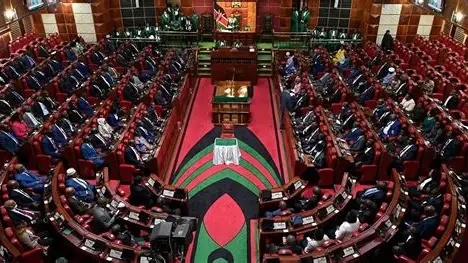
Kenya's Finance Bill 2026 cleared its final parliamentary hurdle on the evening of Thursday, June 18, when the National Assembly voted 122 to 40 in favour of the legislation. The Bill now heads to President William Ruto for assent, after which it becomes law and takes effect from July 1, 2026.
The passage came after weeks of intense public debate, committee scrutiny, and more than 100,000 submissions from Kenyans during public participation hearings held across 13 counties. Several of the most controversial proposals were dropped or amended along the way. Others survived and will soon be the law of the land.
Here is a clear breakdown of what was rejected, what was approved, and what it all means in practice.
What MPs Rejected
No VAT on M-Pesa and Mobile Money Transfers
The government had proposed a 16% VAT on M-Pesa and Airtel Money transfer fees. MPs rejected it, citing the impact it would have on everyday Kenyans who depend on mobile money for basic transactions. Mobile money transfer fees will remain as they are. For the majority of Kenyans who use M-Pesa as their primary financial tool, this is the most significant win in the entire Bill.
No New Phone Taxes
A proposed 25% excise duty on mobile phones, which would also have applied at the point of network activation, was thrown out. MPs raised concerns that it would make handsets more expensive and set back digital inclusion efforts. Phone prices will not change as a result of this Bill.
Mitumba Tax Dropped
A proposal to introduce income tax on the importation of second-hand clothing, footwear, and other worn articles under tariff heading 6309 was removed before the final vote. The measure would have imposed a tax calculated on 5% of the customs value of mitumba goods at the point of importation. For the millions of Kenyans who depend on the mitumba trade, either for their livelihoods or for affordable clothing, its removal is a significant relief.
Rental Income Tax Hike Dropped
The government had proposed raising the Residential Rental Income Tax from 7.5% to 10%. This was a 33% increase in the rate, and it would almost certainly have been passed on to tenants through higher rents. The proposal was dropped, meaning landlords and tenants remain under the existing regime for now.
KRA Account Freezing and Asset Seizure Powers Rejected
MPs rejected a proposal that would have given KRA expanded powers to freeze taxpayer accounts and seize assets without going through existing legal procedures. The concern was straightforward: such powers could be abused. KRA will continue to operate under the current legal framework when pursuing unpaid taxes.
No Requirement to Pay Disputed Tax Before Filing an Appeal
The government had wanted taxpayers to pay disputed principal tax before they could file an appeal against a KRA decision. MPs rejected this on the grounds that it would effectively price many taxpayers out of the appeals process. Taxpayers retain the right to appeal first and pay later, which is an important protection against unfair assessments.
VAT Definition Change Blocked
A proposed change to the VAT Act that would have replaced the phrase "registered person" with "person" was rejected. The concern was that this seemingly small wording change could expand who is required to account for VAT, potentially catching small businesses that fall below the VAT registration threshold.
Green Mobility VAT Exemptions Retained
A proposal to remove VAT exemptions on electric motorcycles and bicycles was rejected by MPs, who argued it would slow the uptake of cleaner transport options. The exemptions remain in place.
Animal Feeds and Pharmaceutical Inputs Protected
Plans to move animal feeds and pharmaceutical inputs from zero-rated VAT to exempt VAT status were dropped. The difference matters in practice: zero-rated allows suppliers to claim back input VAT, while exempt does not. The change would have increased costs for farmers, manufacturers, and ultimately consumers. It will not go ahead.
Deemed Dividend Rule Dropped
A proposal to introduce a 60% deemed dividend distribution rule, which would have taxed a portion of undistributed business profits as though they were dividends, was rejected. MPs said it would increase the tax burden on businesses and potentially discourage reinvestment.
PAYE Rate Stays at 35%
Calls to reduce the top Pay As You Earn rate from 35% to between 28% and 30% did not make it through. MPs told Treasury to find other ways to make the income tax system more equitable rather than reducing government revenue. The top rate stays where it is.
What MPs Approved
KRA Can Now Recover Other Government Dues Like Taxes
KRA has been granted the power to use tax recovery mechanisms to collect other unpaid government levies, fees, and charges, not just taxes in the strict sense. If you owe certain government dues and fail to pay, KRA can now go after that money using the same tools it uses for tax debts.
Pre-Populated Tax Returns, With Safeguards
KRA can now use third-party data to pre-fill taxpayer returns, but with an important condition attached: it must provide reasons for its assessments and give taxpayers the opportunity to correct errors. The safeguards were added after concerns that pre-populated returns without explanation could leave taxpayers with little recourse.
Importers Must Keep Export Documents for Five Years
Importers are now required to retain export documents from the country of origin for five years. These documents must contain details of the exporter, importer, goods, their value, and origin. Failure to produce them when requested allows KRA to reject claims and determine the tax payable independently.
KRA Data Collection Now Governed by Data Protection Act
A provision approved in the Bill requires KRA to only collect taxpayer information that is necessary and relevant, and to handle, store, and share that information in line with Kenya's Data Protection Act. KRA must also keep records of what information was shared with other countries and why. This is a meaningful step toward aligning Kenya's tax administration with modern data rights standards.
Tax Filing Deadlines Shortened
The time allowed for filing income tax returns has been reduced from six months to four months after the end of the financial year. If your year ends December 31, you now file by April 30 instead of June 30. Nil returns must be filed within one month of year-end. Businesses and individuals will have less time to prepare their records and compute taxes, which will particularly affect smaller operators without dedicated accounting teams.
Scrap Metal Withholding Tax at 1.5%
A 1.5% withholding tax on gross proceeds from scrap metal sales has been approved to improve traceability in what is largely an informal sector. Dealers will now have tax deducted at the point of sale. The Consumer Federation of Kenya (COFEK) has challenged this provision in court, so its implementation may still face legal scrutiny.
Non-Resident Landlords Face New Compliance Rules
Non-resident persons earning rental income from property in Kenya must now register through a simplified tax framework, file monthly returns, and remit tax by the 20th day of the following month. Historically, this was handled through withholding tax deducted by agents. The new regime places compliance responsibility more directly on the non-resident landlord.
Tax Amnesty Programme Starting July 1, 2026
This is arguably the most practically useful measure in the entire Bill for many Kenyans. A one-year tax amnesty programme will run from July 1, 2026. Taxpayers who have outstanding penalties and interest on tax liabilities from periods up to December 31, 2025, can have those penalties and interest waived, provided they settle the principal tax owed by June 2027. If you or your business has a KRA debt sitting on a history of penalties, this is a genuine opportunity to regularise your affairs at a significantly reduced cost.
Virtual Asset Service Providers Must Report to KRA
Cryptocurrency exchanges and other Virtual Asset Service Providers will be required to submit annual reports to KRA containing details of users and their transactions. Kenya is formally bringing the crypto sector into its tax reporting framework, bringing it in line with a growing global trend toward digital asset oversight. This is not a ban on crypto. It is a compliance requirement, and ignoring it will carry risk.
Corporate Tax for Non-Resident Entities Reduced
The corporate tax rate for non-resident entities has been cut from 37.5% to 30%. The government's intent is to make Kenya a more attractive destination for foreign investment and reduce the gap between what resident and non-resident companies pay.
Card Transaction Withholding Taxes
Separate from the rejected M-Pesa VAT, new withholding taxes on card-based payments passed. Local card transactions will attract a 5% withholding tax, while some non-resident card transactions face a 20% withholding tax. Certain fintech payment services will also be subject to a 16% VAT. Businesses that process high volumes of card payments should prepare for these costs, which financial analysts warn could be passed on to consumers.
Digital Services Tax Changes
The final Bill includes adjustments to how digital services are taxed, following concerns raised during stakeholder engagement. The changes were incorporated and approved as part of the passed legislation.
What Happens Next
The Bill now moves to President Ruto's desk. If he assents to it, the provisions take effect from July 1, 2026, at the start of the new financial year.
However, the legislative process is not the only battlefield. COFEK has filed a petition at the High Court's Constitutional and Human Rights Division, seeking conservatory orders to suspend several provisions of the Bill. The lobby argues that some measures, including the scrap metal withholding tax and expanded KRA data powers, were advanced without adequate safeguards for consumer protection, privacy, and fair administrative action. The lobby has also asked that its petition be allowed to continue as a challenge to the Finance Act 2026 if the Bill becomes law before the court rules. Businesses and traders affected by the contested provisions should watch the outcome of that case closely.
The Bottom Line
The Finance Bill 2026 is a mixed result. The government pulled back from its most unpopular proposals, including the M-Pesa tax, the phone duties, the mitumba levy, and the rental income hike, and those retreats are meaningful. Life for the average Kenyan will not get visibly more expensive through this Bill in the way it might have.
But the measures that did pass represent a clear direction of travel: KRA is getting more data, more reporting, and more ways to recover money, even as some of its more aggressive enforcement powers were blocked. The tax base is being quietly widened, from crypto traders to scrap metal dealers to non-resident landlords, and the compliance clock is ticking faster with shorter filing deadlines.
The Bill is projected to raise an additional Sh98.9 billion in revenue, more than three times what the Finance Act 2025 and its accompanying amendments generated. Whether that money is enough to fund the Sh4.82 trillion 2026/27 budget without deepening Kenya's debt burden remains the bigger question that no Finance Bill alone can answer.
For now, the most urgent action item for most Kenyans with a tax history is simple: check whether the July 2026 tax amnesty applies to you, and if it does, move quickly to take advantage of it before the window closes in June 2027.
Comments