 By
By 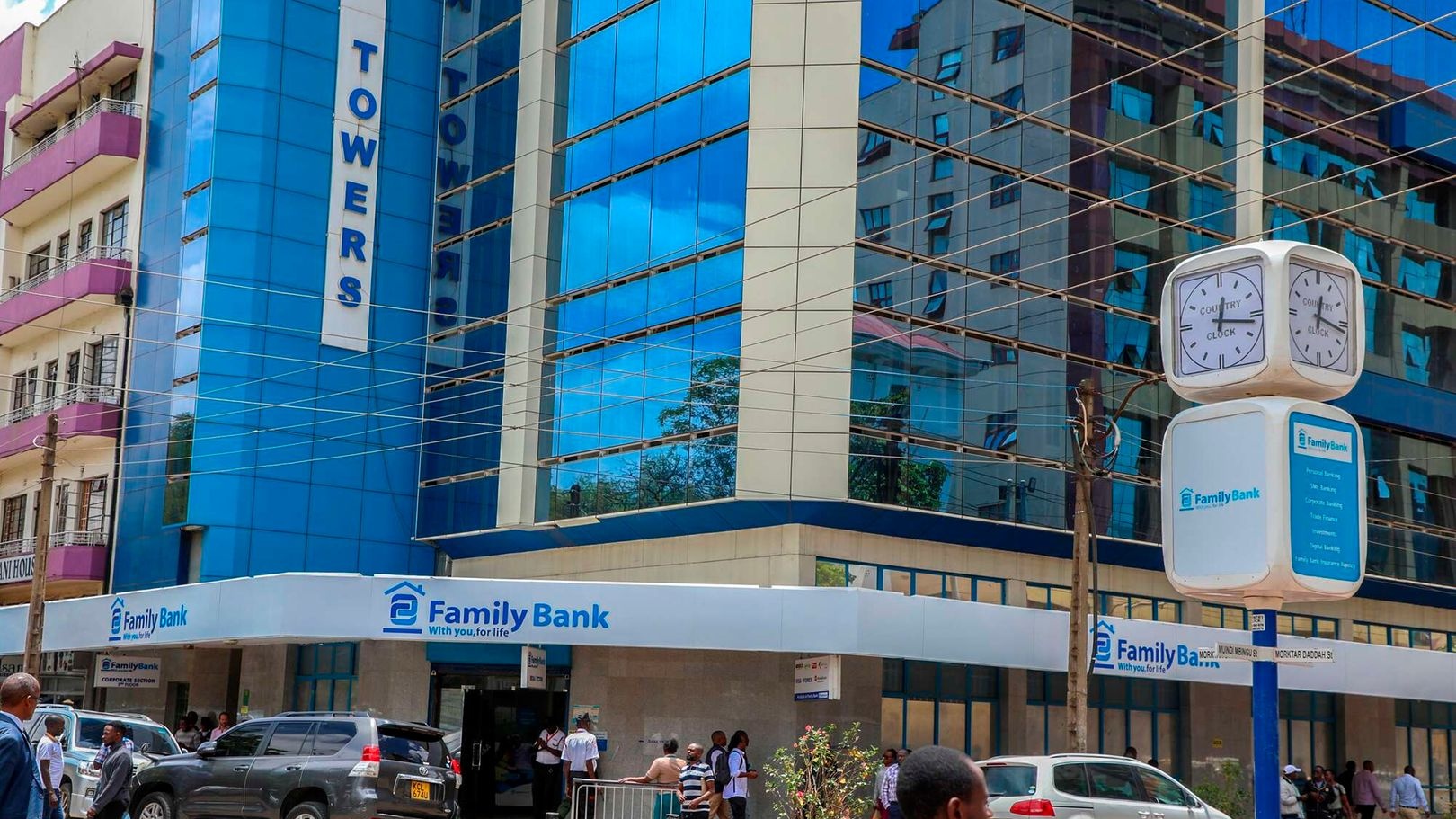
Family Bank has officially received the green light from the Capital Markets Authority to list its shares on the Nairobi Securities Exchange. Trading is set to begin on June 23, 2026, making this one of the most significant additions to Kenya's bourse in recent years. If you have been hearing about this and wondering what it means, whether you should be paying attention, and whether it is worth putting your money in, this article will walk you through everything.
What Is Actually Happening Here
The listing will enable existing shareholders to buy and sell Family Bank shares on the NSE without the bank issuing new shares or seeking additional capital from investors. This is called a listing by introduction, and it is an important distinction from a typical IPO.
In a regular IPO, a company creates new shares and sells them to the public to raise fresh capital. That is not what is happening here. The bank will list 1.66 billion shares held by 6,345 shareholders. The listing will not raise new capital, but will improve liquidity for existing shareholders.
Think of it this way: Family Bank already has thousands of shareholders who have held their stake for years, many through an over-the-counter trading mechanism since 2006 with no clean, transparent way to sell. This listing gives them a proper exit route. For new investors, it opens the door to buy in publicly for the first time. The market then gets to set a fair, transparent price.
A Quick Background on Family Bank
Family Bank was founded in 1984 by TK Muya as Family Finance Building Society Limited, a small community savings and lending institution targeting Kenya's lower and middle-income segments. Over four decades it has grown into a mid-tier lender with a meaningful presence across the country and a customer base rooted in the small business and informal sector.
In 2025, the bank conducted a private placement offer which successfully raised KSh 8 billion against an initial target of KSh 6.09 billion, representing a 131% achievement. That oversubscription was a signal the market was ready and waiting for this moment.
The Numbers Behind the Bank
Family Bank is entering the public market on the back of some of the strongest financial results in its history.
Family Bank Group delivered its strongest financial performance on record in the full year ended December 31, 2025, with profit after tax rising 55.4% to KSh 5.38 billion. Net interest income rose 46.1% to KSh 15.63 billion, while total operating income climbed 34.1% to KSh 20.18 billion. The bank simultaneously compressed its cost-to-income ratio from 74.0% to 68.6%, the best efficiency reading since 2015.
That momentum has carried into 2026. In the first quarter of 2026, Family Bank reported a net profit of KSh 1.6 billion, representing a 52.6% increase from the KSh 1 billion recorded during the corresponding period in 2025. The growth was supported by a 42.2% increase in shareholders' funds to KSh 34.7 billion, driven by the successful private placement and improved profitability.
Total assets grew 32.3% to KES 230.3 billion, customer deposits increased to KES 168.2 billion, and net loans rose 12.6% to KES 108.4 billion.
Those are not numbers a struggling bank puts up. The trajectory is clearly upward, and the listing is happening at a moment of strength, not desperation.
What Price Should You Expect?
No official listing price range has been publicly announced since this is a listing by introduction rather than a public offer where a fixed price is set upfront. The market will determine what the shares trade at on day one. What we do have is a useful reference point.
The lender reported shareholders' funds of KSh 34.77 billion as at March 2026, translating to a book value of approximately KSh 20.91 per share based on its 1.66 billion issued shares. Book value is essentially what each share is theoretically worth if you broke the bank's assets down and divided them among all shareholders. Shares of profitable, growing banks often trade above book value, and some trade below it depending on market sentiment.
Reports have circulated suggesting shares could trade in the KSh 16 to KSh 23 range, though the actual opening price will be determined by supply and demand on June 23.
Who Owns Family Bank Right Now?
Family Bank's shareholder register is dominated by institutional and long-term investors. As at December 31, 2025, Kenya Tea Development Agency (Holdings) Ltd was the lender's largest shareholder with an 18.98% stake, followed by the Estate of Rachael Njeri Muya at 10.05% and Daykio Plantations Limited at 9.53%. The bank's top ten shareholders collectively control 59.1% of the issued shares, while the remaining 40.9% was held by other investors.
That concentration of institutional ownership is generally a positive sign. Large, long-term investors like KTDA do not hold significant positions in companies they do not believe in.
Should You Buy?
That is entirely a personal decision and one you should make based on your own financial situation, risk tolerance, and investment goals. What we can do is lay out the relevant considerations clearly.
The case for buying is fairly straightforward if you are a long-term investor. The bank is profitable, growing quickly, and entering the public market from a position of genuine financial health. The 55.4% profit growth in 2025 followed by another 52.6% jump in Q1 2026 suggests this is not a one-off spike. The strategy is clearly working. If the bank begins paying dividends consistently as a listed entity, and its earnings trajectory holds, patient shareholders could benefit meaningfully over time.
The case for caution is worth considering too. Listing day prices on the NSE can be volatile, particularly for a bank with this much anticipation around it. If the shares open high and a significant portion of the existing 6,345 shareholders decide to sell into that demand, the price could pull back. Buyers chasing the debut price sometimes find themselves waiting months to recover.
The smarter approach for most people is to watch how the first few days of trading unfold, understand the price range the market settles at, and then make a considered decision rather than rushing in on day one purely out of excitement.
If you are new to stock investing and want to understand how shares work, how to open a CDS account, or how brokerage fees and dividends are taxed in Kenya, our beginner's guide to the NSE covers all of that in detail.
The Bigger Picture for the NSE
The move ends the lender's five-year-long push to go public and comes at a time when the NSE is seeking to attract new listings after a prolonged bear run. Most recent market activity has been driven by secondary share sales, bond issues and rights offers rather than initial public offerings.
Family Bank's arrival is genuinely good news for the exchange. New listings bring fresh interest, new retail investors, and renewed attention to the bourse. Listing by introduction will allow current shareholders to trade their shares on the NSE, broaden investor participation by allowing other investors to trade the bank's shares in a more efficient way, and enable the market to establish a fair and transparent price for the bank's shares.
Standard Investment Bank is serving as lead transaction adviser for the listing, while PricewaterhouseCoopers is acting as reporting accountant. The choice of those advisers signals that this has been done with proper rigour.
You can follow Family Bank and all currently listed companies on our NSE market dashboard
Comments