 By
By 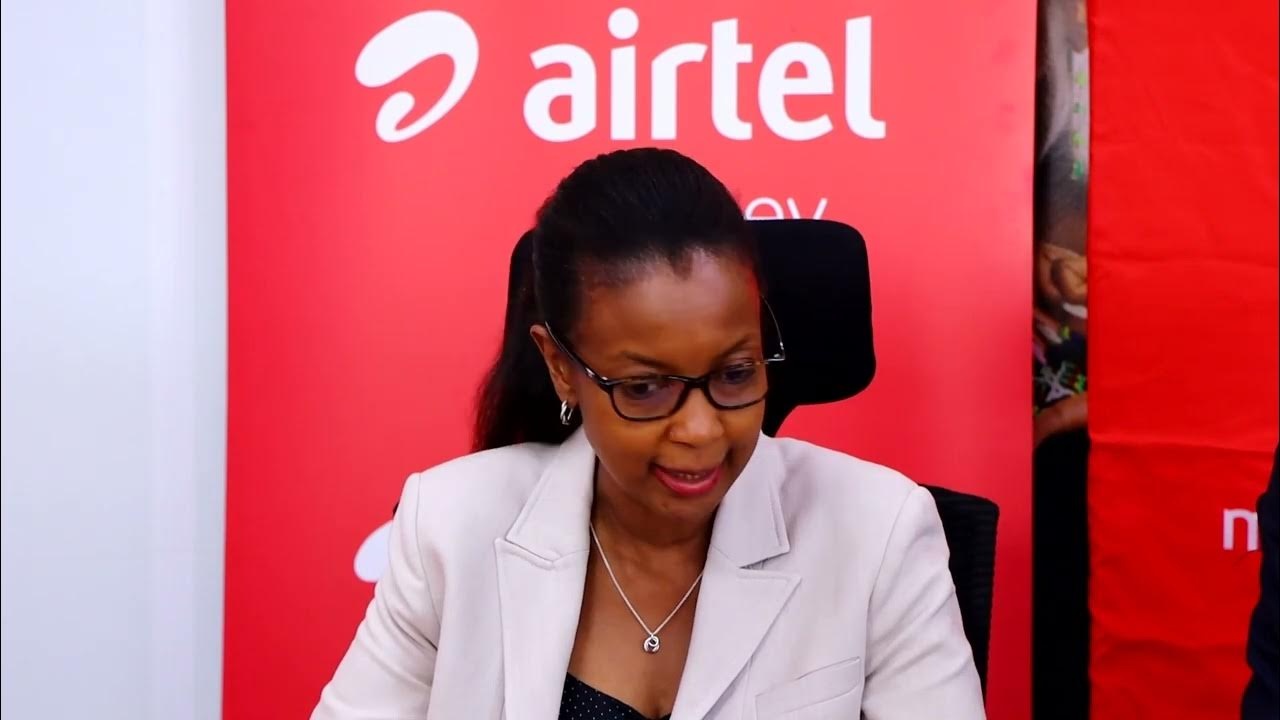
Anne Kinuthia-Otieno has stepped down as Managing Director of Airtel Money Kenya, closing out nearly five years in which she turned the mobile wallet from a marginal player into Kenya's clear number two behind M-Pesa. Her exit lands at an unusually volatile moment for the country's digital finance sector, coming just days after Safaricom announced that Esther Waititu, its Chief Financial Services Officer, is also leaving. Airtel Money has not named a replacement.
Why Her Departure Matters Now
Kinuthia-Otieno's tenure was not a caretaker stint. She joined in 2022 as Airtel Money spun off from Airtel Networks Kenya into a standalone company, and she leaves having pushed the business from a bit player into a genuine competitive threat. Market share climbed from 2.9 percent to 10.3 percent, the customer base grew from roughly 400,000 to more than 5 million users, and the agent network expanded from 18,000 to 170,000 outlets. Whoever succeeds her inherits a business with real scale, but also one whose next phase of growth will be harder to engineer than the last.
Her exit also fits a broader pattern. Kenya's telecom-led financial services sector has seen a string of senior departures this year, with Safaricom losing its Chief Strategy Officer, Michael Mutiga, to Stanbic Bank Kenya, its former M-Pesa Africa managing director, Sitoyo Lopokoiyit, to Absa Group, and now Waititu, who is leaving after steering M-Pesa's Fintech 2.0 infrastructure overhaul and the launch of Ziidi Trader. Banks are increasingly hiring the executives who built East Africa's mobile money platforms, and Airtel Money has now lost the leader who built its own.
From Absa Banker to Airtel Money's Turnaround Lead
Kinuthia-Otieno arrived at Airtel Money in 2022 from Absa Bank Kenya, where she had headed products after earlier roles in governance, sales and SME banking, and risk management at Barclays. Her appointment came with a specific mandate: build Airtel Money into a standalone business capable of competing seriously with M-Pesa, at the exact moment the unit was carved out of Airtel Networks Kenya following Airtel Africa's sale of a stake in its continental mobile money operations.
That mandate shaped much of what followed. Rather than compete purely on marketing, she focused on interoperability and cost, the two levers most likely to pull price-sensitive users away from an entrenched incumbent.
The Partnerships That Expanded What Airtel Money Could Do
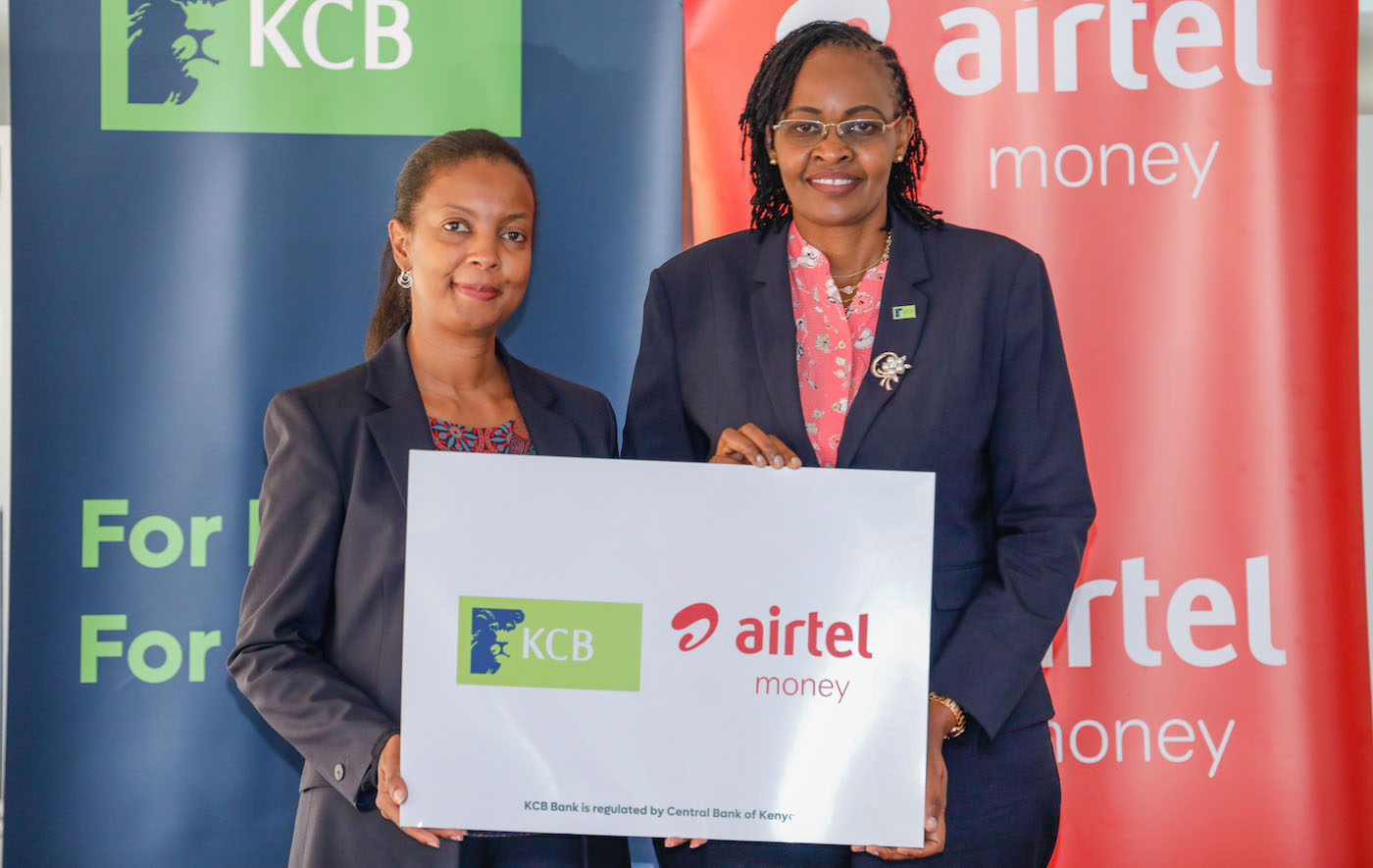
Two bank integrations stand out from her tenure. Airtel Money connected with KCB Bank Kenya and Diamond Trust Bank to enable direct wallet-to-bank and wallet-to-merchant transfers, moves that reduced the friction customers faced when moving money between mobile wallets and formal banking rails. A similar integration with Absa Bank Kenya followed in April 2026, extending merchant payment access to small businesses that had previously juggled separate mobile money, bank account, and agent-network processes to settle payments.
These partnerships mattered more than they might appear at first glance. Interoperability has historically been a weak point for mobile money in Kenya, and each new bank link removed a reason for customers to default to M-Pesa simply because it was more universally accepted.
Rudishiwa and the Fight Over Transaction Costs
Kinuthia-Otieno also built the Rudishiwa Transaction Fee campaign, which refunded customers' withdrawal fees directly back into their accounts as airtime. The promotion was a direct play on price sensitivity in a market where transaction costs are one of the few variables mobile money users actively compare across providers. Later in her tenure, Airtel also removed the seven-day validity window on funds sent from competing networks, a change tied to the Central Bank of Kenya's National Payments Strategy that made cross-network transfers function more like a single system rather than separate walled gardens.
Beyond product decisions, she represented Airtel Money in local and international discussions on interoperability and financial inclusion, positioning the company as an active participant in shaping the regulatory environment it operated in rather than simply reacting to it.
Airtel Money has not announced a successor, leaving the company without confirmed leadership at a moment when the mobile money market is shifting quickly. Bank-telco partnerships that were novel when Kinuthia-Otieno signed them are becoming standard practice across the industry, which means her replacement will not get credit simply for deepening interoperability further. The harder task will be converting Airtel Money's expanded agent network and 10.3 percent market share into deeper usage per customer, particularly as Safaricom's own leadership reshuffle and its shift toward majority Vodacom ownership create both distraction and opportunity on the other side of the market.
Comments